


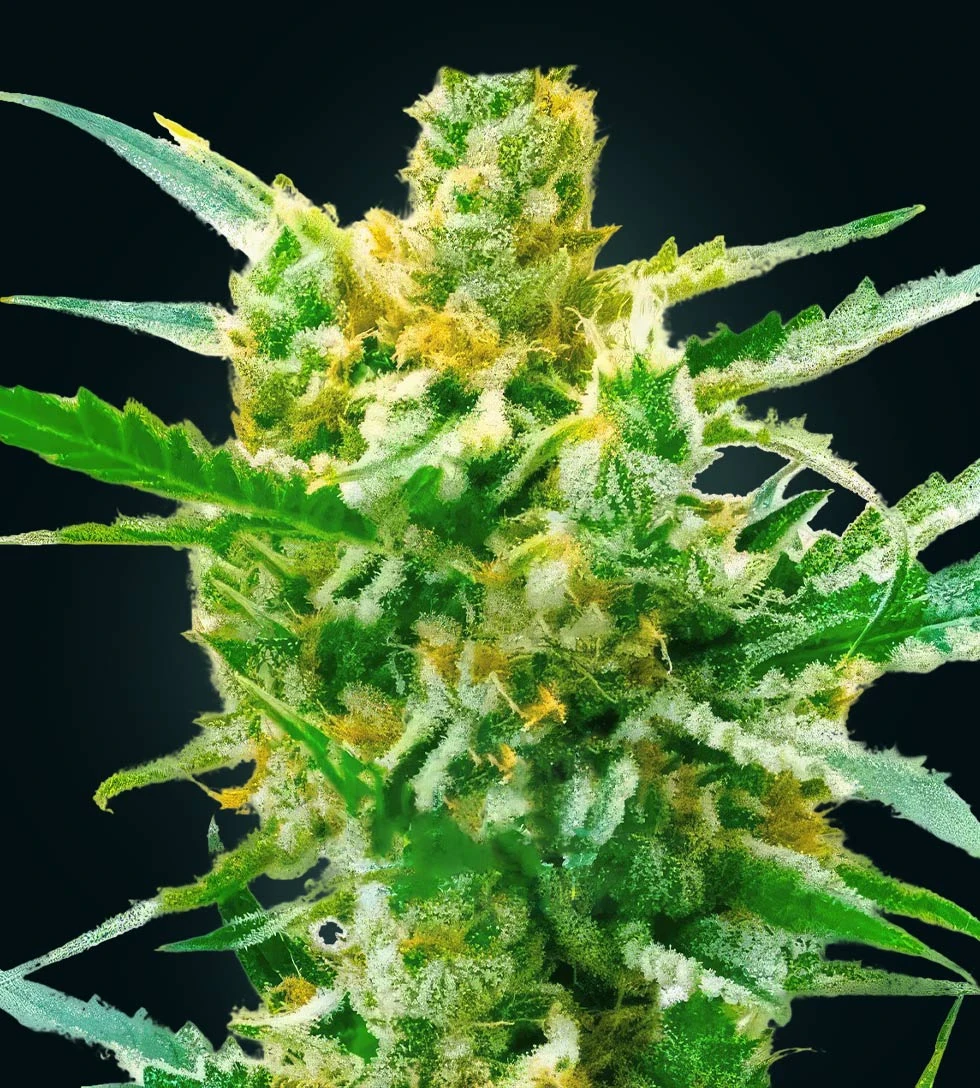
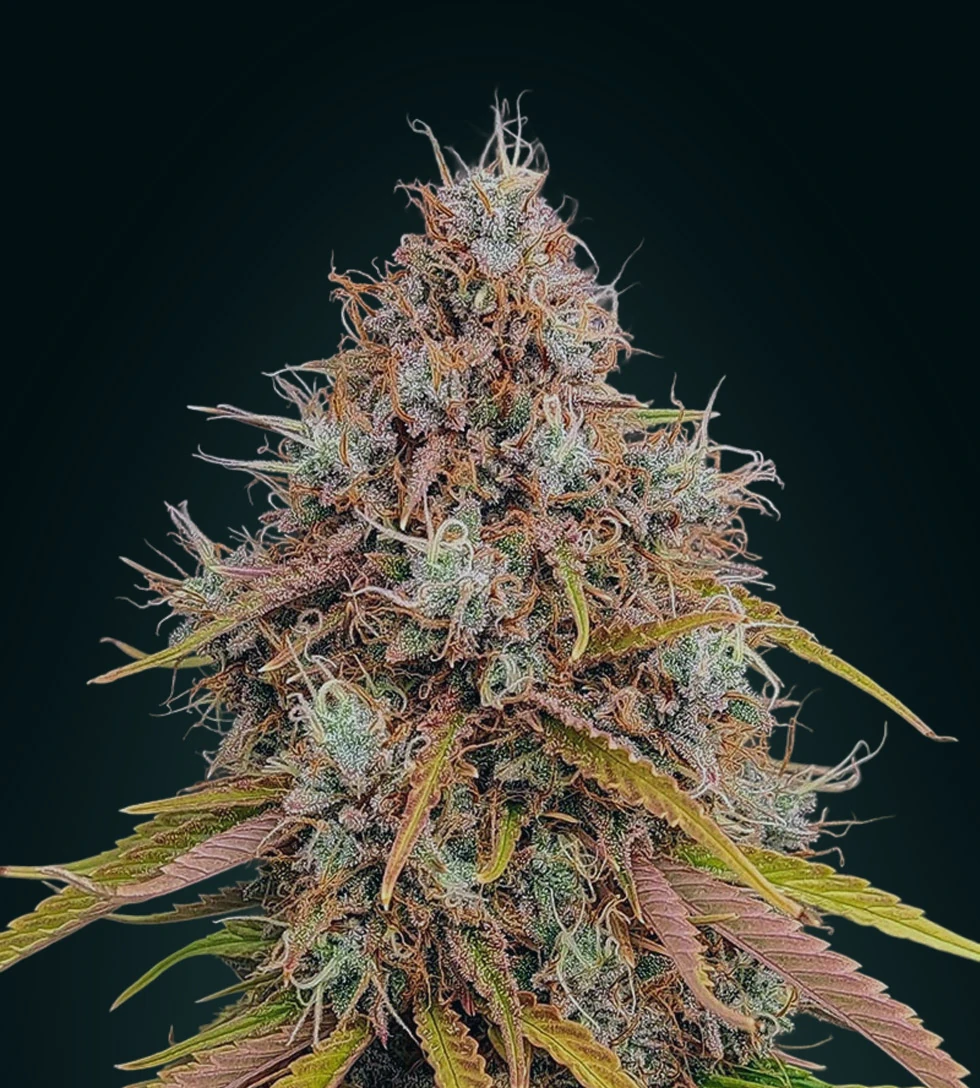
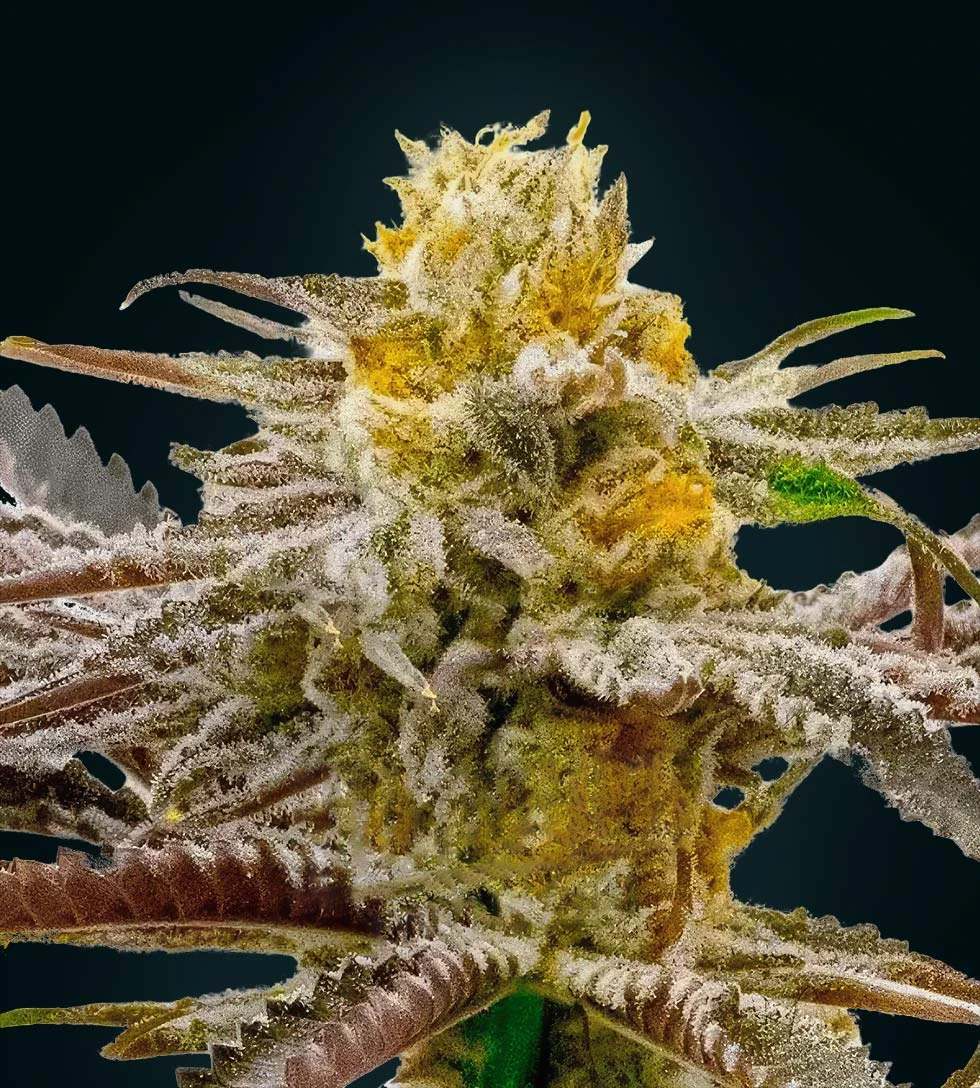
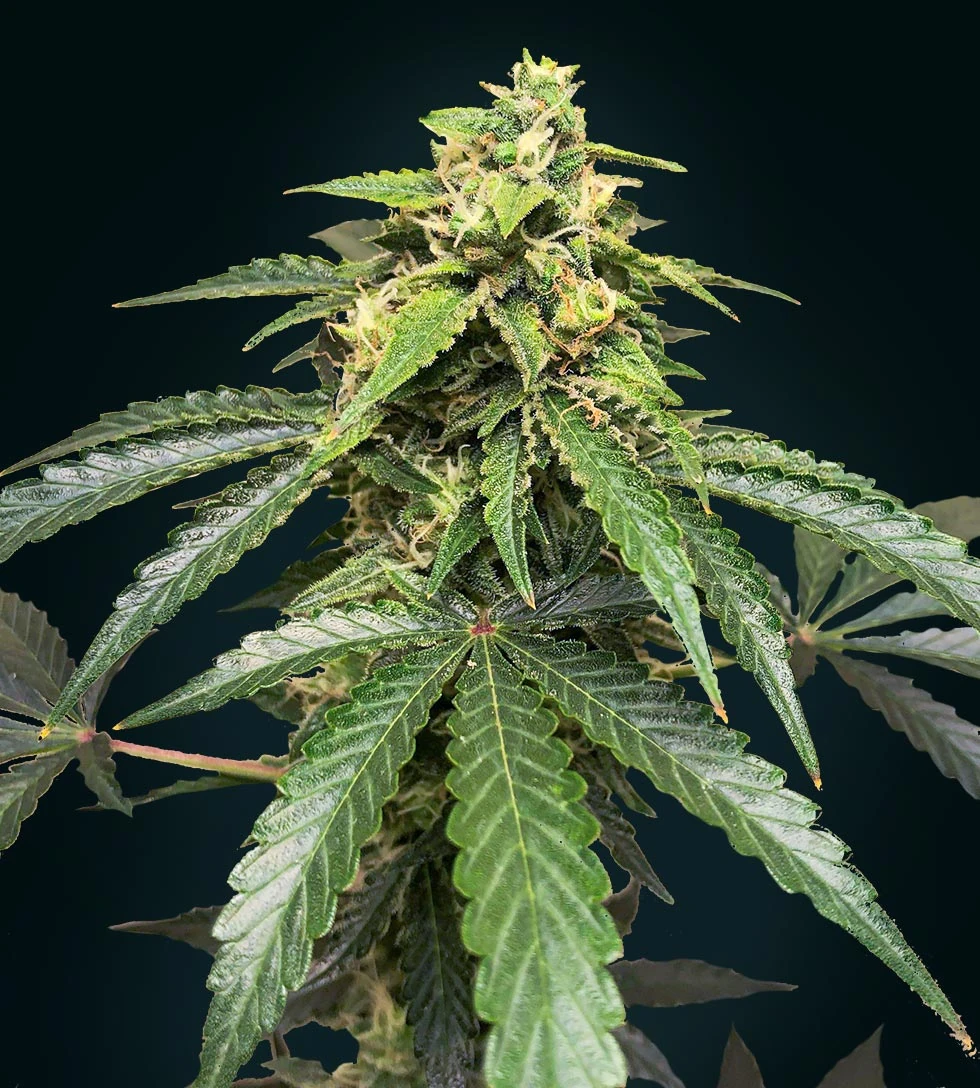
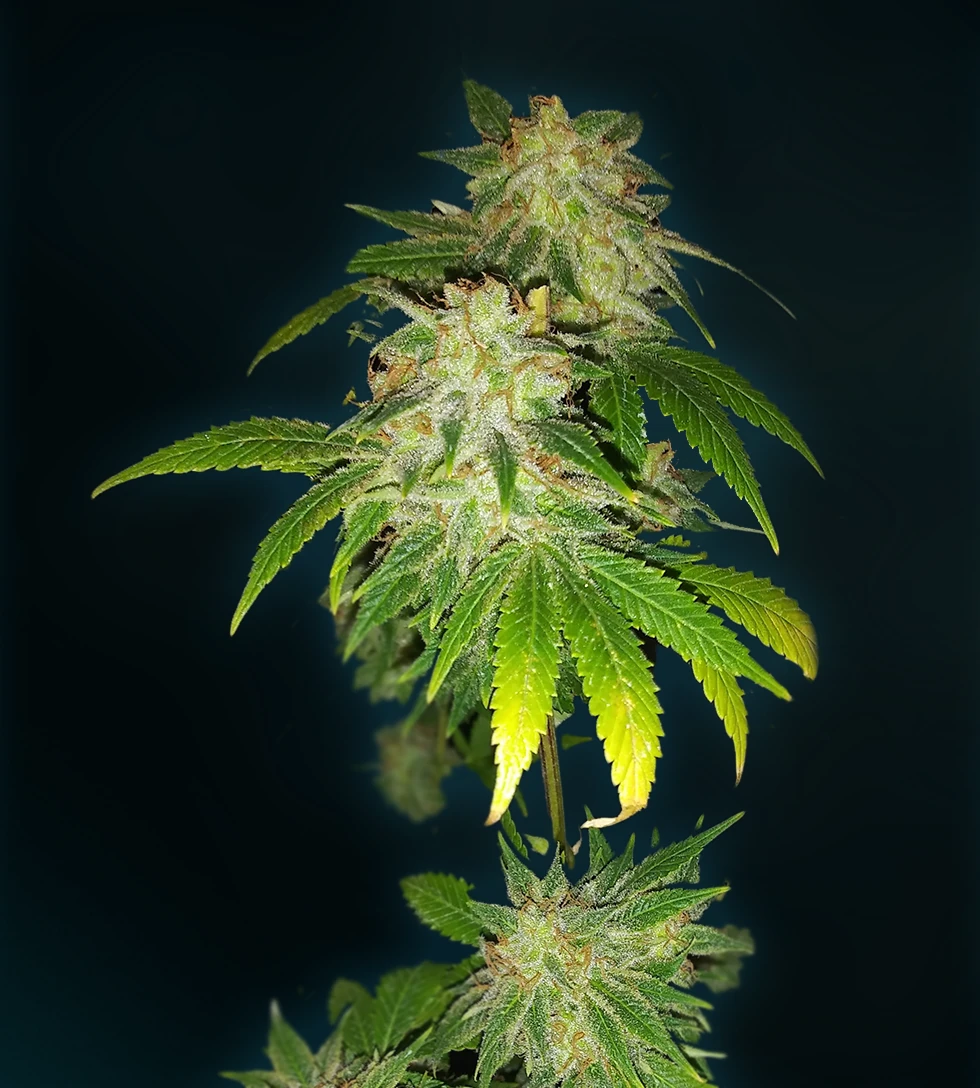
The History of Feminized Seeds
Did you know feminized seeds only appeared on the market relatively recently? Growers used to have only regular seeds to work with, which meant roughly a 50/50 chance of getting a female or a male plant. There was practically no way to know the sex of your plants in advance. Things changed in the '90s, when European seedbanks started actively experimenting with feminization techniques. By the end of the decade, the first feminized seeds had hit the market. It was the start of a whole new era in cannabis. Breeding techniques have come such a long way since then that feminized seeds have become hugely popular and a staple in modern seedbanks' catalogs.
What Are the Benefits of Feminized Seeds?
The biggest advantage is getting female plants with resin-covered buds instead of unwanted pollination by male plants (and with our seeds, there's practically no chance of running into that).
Feminized cannabis seeds are also more resistant to turning hermaphroditic due to stress. Nothing but upsides!
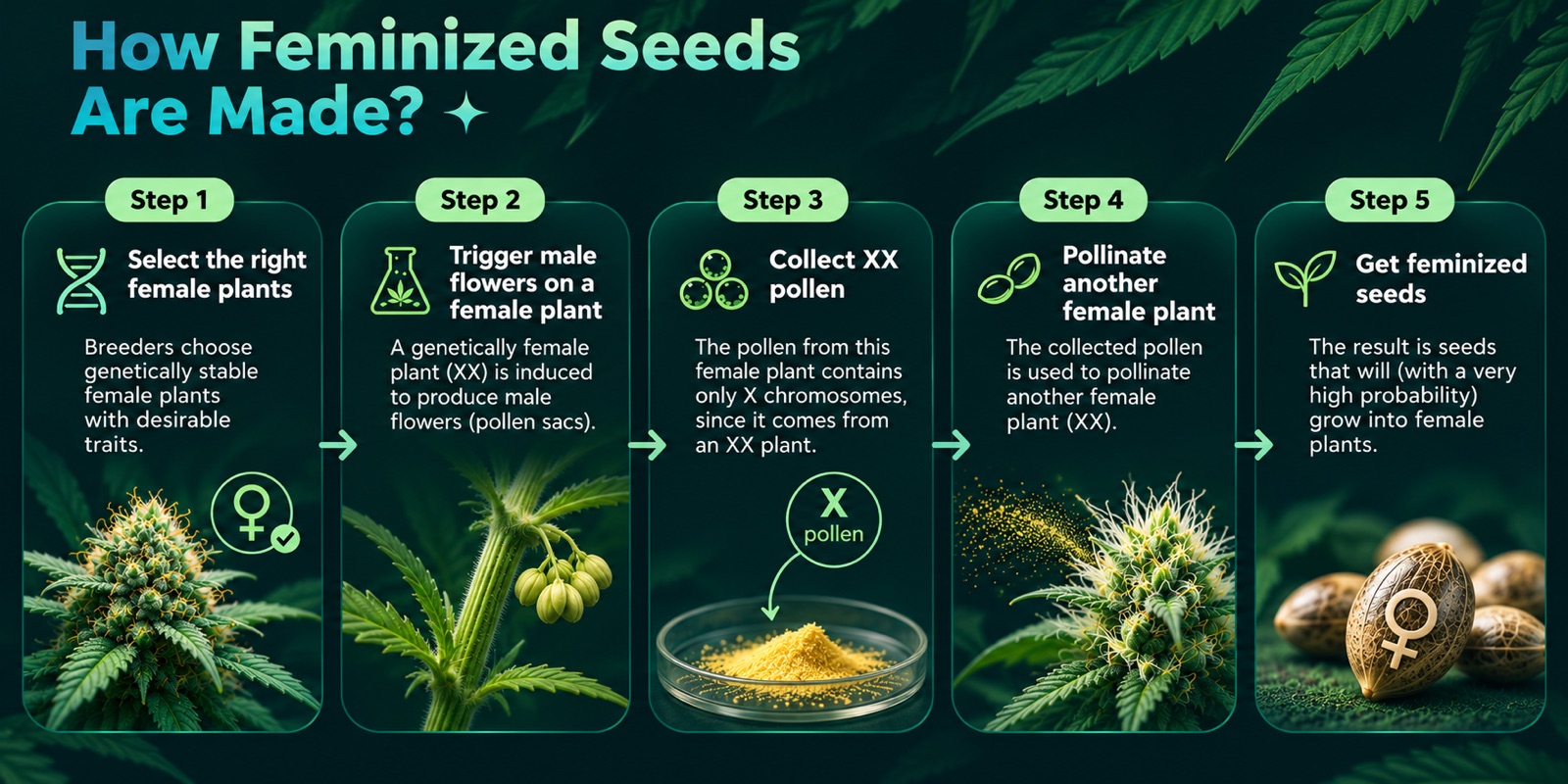
What Is Feminization, and How Does It Work?
Take a look at the picture below:
How Are Feminized Seeds Different From Regular Seeds?
Regular seeds can grow into either male or female plants, with roughly a 50/50 chance. Feminized seeds, on the other hand, are specially produced so that almost all plants turn out female. Regular seeds are more often used for breeding, when plants of both sexes are needed. Feminized seeds are valued for their predictable results, which is why growers choose them for buds.
Feminized vs. Photoperiod — What’s the Difference?
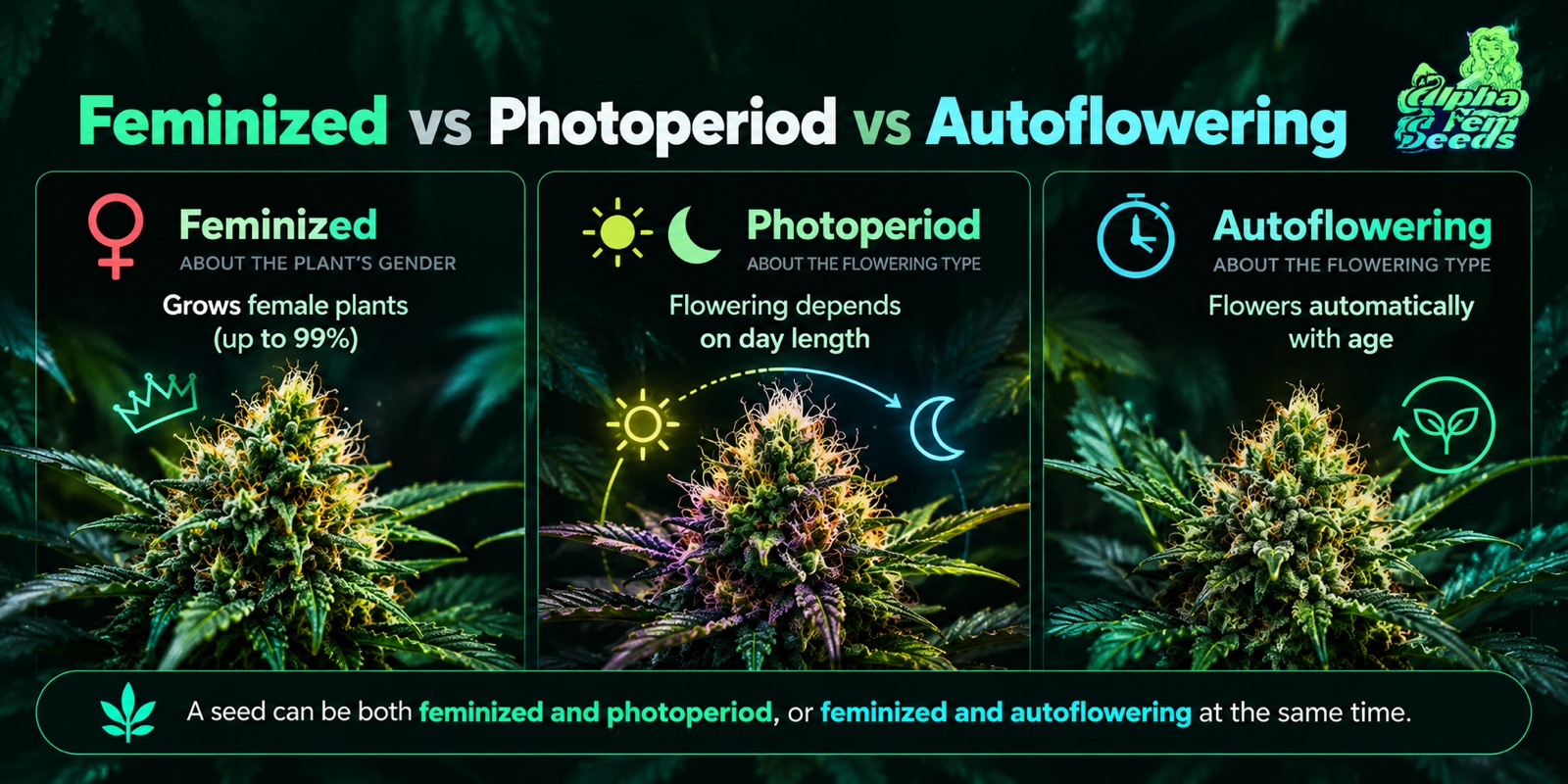
These terms often get mixed up, and that's totally normal. Here's the difference: Feminized seeds are about genetics and sex. In other words, they're seeds that grow into female plants and produce buds.
Photoperiod seeds are about how the plant flowers. With photoperiod plants, flowering depends on the length of the day.
So yes, seeds can be both feminized and photoperiod at the same time.
Feminized vs. Autoflowering — What’s the Difference?
Same idea as above. These are two different traits that can exist in the same seed. Unlike photoperiod plants, autoflowers don't depend on day length to start flowering.
What Types of Feminized Strains Are There?
All kinds — so you're sure to find something you like! In terms of genetics, there are three main types: Indica, Sativa, and hybrids (which combine traits of both). Strains also differ in flowering type (as we covered above), THC and CBD content, aroma, flavor, and even color.
How to Choose Feminized Seeds
First, think about which characteristics matter most to you. Here are the usual things to look at:
- Genetics: Indica, Sativa, or a hybrid?
- THC and CBD: which cannabinoid do you want, and how much of it?
- Aroma and flavor: sweet, fruity, citrusy, piney, or earthy?
- Flowering type: photoperiod or autoflowering?
- Characteristics: expected height, flowering time, and potential yield
- Seedbank: brand reputation, genetic quality, and customer reviews (spoiler: you've already picked your seedbank ♥)
How to Store Feminized Seeds Properly
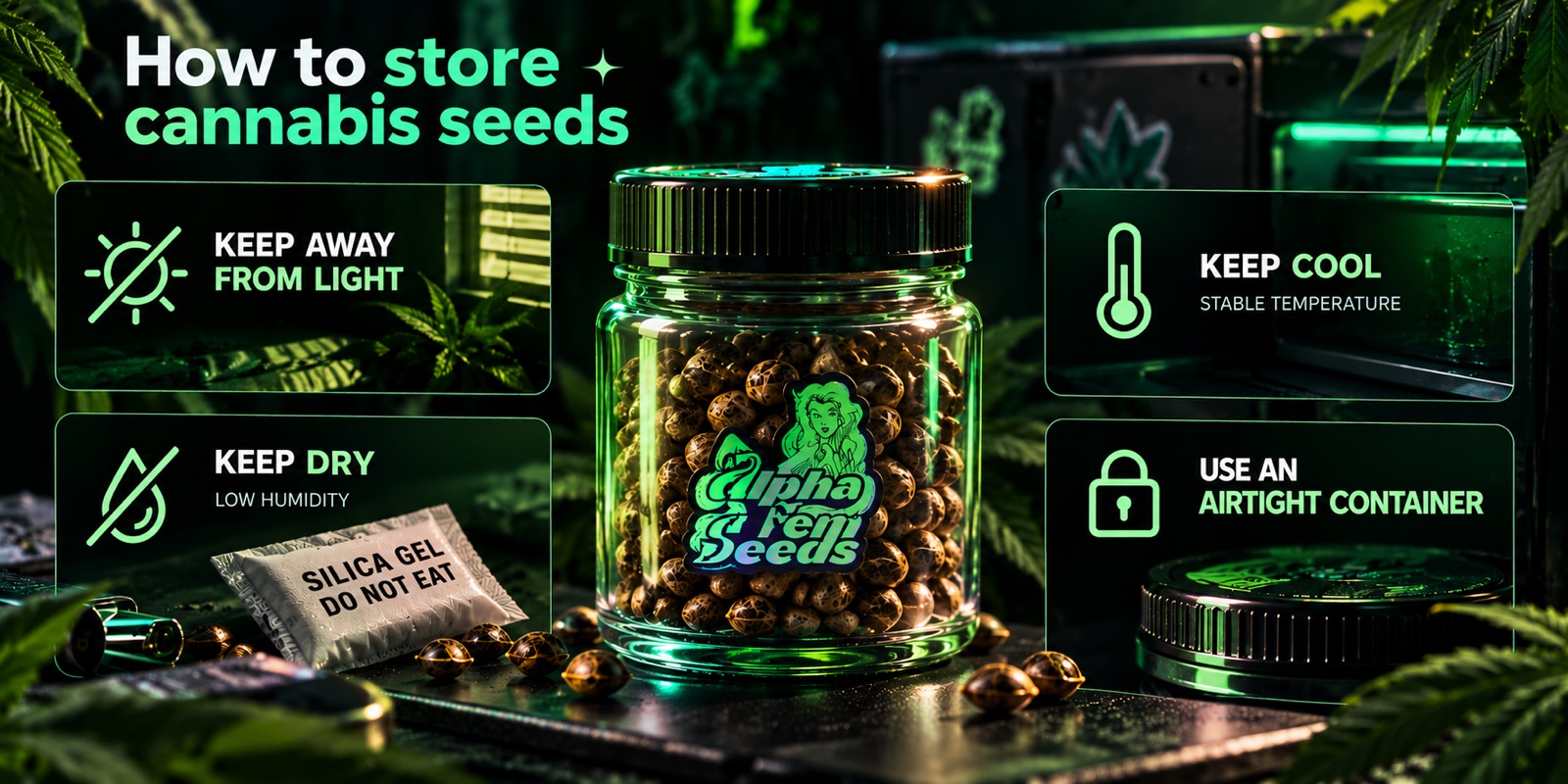
Proper storage matters, even with the highest-quality seeds, because it affects germination. Here are a few simple rules:
- Darkness. Keep seeds away from direct sunlight, as light can affect their quality.
- Cool temperatures. Avoid heat and sudden temperature changes.
- Low humidity. Too much moisture can cause mold and reduce seed quality.
- Airtight packaging. This helps protect seeds from moisture and changes in their surroundings.
With proper storage, quality seeds can last for several years, although their germination rate gradually declines over time. We recommend storing them for no longer than 2–3 years.